Empowering Communities: How VSLA is Transforming Lives in Rural South Sudan
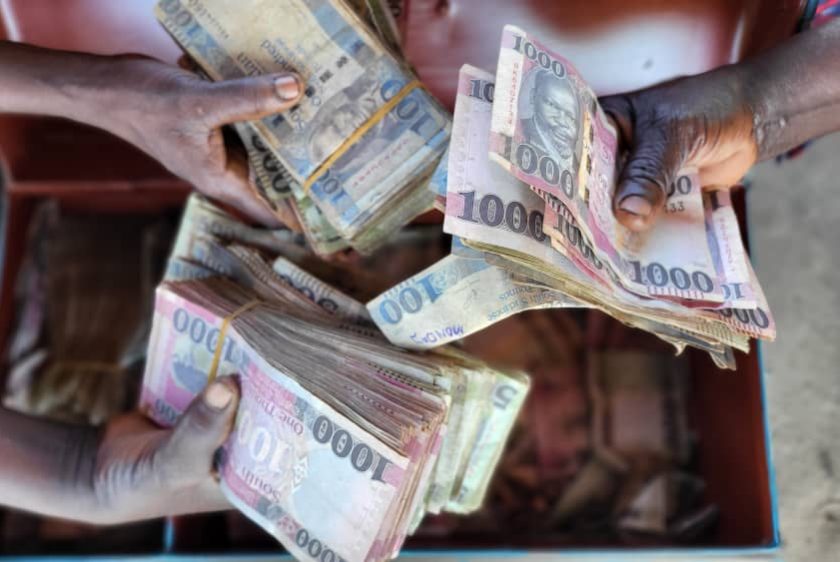
South Sudan’s financial infrastructure remains underdeveloped, with access to banking and financial services largely limited to urban areas. This situation leaves rural communities with few options for savings and credit. In these underserved communities, Village Savings and Loans Associations (VSLA) are emerging as a vital solution, empowering local economic development through community-based financial services.
VSLA groups, built on mutual trust, enable members to save money, access loans, and create social funds to support community welfare. These grassroots initiatives offer critical financial services to those who would otherwise be excluded from formal banking systems, like microfinance or traditional banking institutions.
Through the World Food Programme supported Small Agriculture Market Support (SAMS) project, Star Trust Organization (STO) is helping create and strengthen VSLAs across multiple counties in Western Equatoria State (WES). As of today, 36 groups have received training in business and financial literacy, and group dynamics, and have been provided with VSLA kits and ongoing mentorship.
One shining example of this is the Futanari Women’s Association, a 35-member group with 27 women and 8 men located in Makpaturu village in Nzara County. Predominantly farmers, these members have found VSLA model not only as a way to diversify their livelihoods but also a lifeline in the face of climate challenges that threaten subsistence farming. With a clear objective of improving savings and providing community welfare, this group is transforming lives.
Gloria Dominic, a 36-year-old member from Makpaturu, is a testament to the success of VSLAs.
“Last year, I borrowed 100,000 SSP, which I used to purchase two goats. this initial investment has since multiplied, and now I have a growing herd of 7 goats. With savings from previous years, I also purchased a bicycle for market trips and a plastic drum, improving the quality of the cassava flour she processes monthly” recounts Gloria.
Another success story is Madelina Santo, who has benefited greatly from the VSLA over the years.
“Every year, I make sure to purchase something meaningful with the savings and loans,” Madelina shares. “Since joining in 2020, I’ve bought a bicycle, a groundnut machine, a mattress, and a plastic drum. Each item has made a unique contribution to my livelihood, and I’m grateful to STO and WFP for their support.”
Moses Babie, the group’s secretary, has also seen remarkable growth.
“Last year, I borrowed 150,000 SSP to start a vegetable garden. That investment earned me over 600,000 SSP, allowing me to diversify into goat farming. I even saved enough to marry my wife,” Moses shares with pride.
Beyond monetary benefits, VSLAs provide strong social support networks that foster a sense of community cohesion and resilience. Regina Edward, the group’s chairlady, explains:
“We live in harmony, support each other, and strive to extend financial support to our wider community. In areas where microfinance is out of reach, VSLAs are a lifeline.”
These local VSLA initiatives are not just about savings and loans; they are driving long-term development goals and ensuring no one is left behind. Through these efforts, communities in South Sudan are enhancing their economic welfare, strengthening social ties, and building a more sustainable future.


