
How Postharvest Skills are Helping Vegetable Farmers Earn Premium Prices
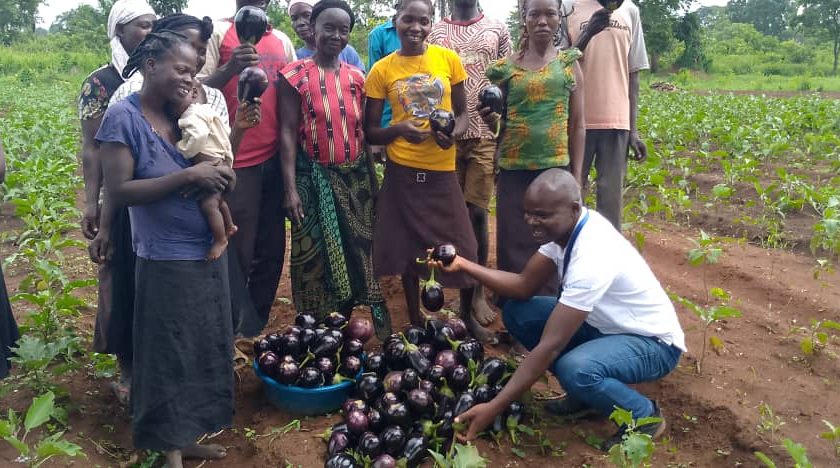
Dindongara Farmers Group is a resilient community of 30 vegetable growers (15 men and 15 women) located in Sakure, Nzara County. Despite their bountiful yields, these farmers have historically faced significant challenges with postharvest handling, leading to produce rotting and forced sales at knockdown prices. As a result, many farming families struggled to meet their basic needs.
In rural communities in South Sudan, knowledge of Good Agronomic Practices (GAP) and effective postharvest techniques is often inaccessible. This knowledge gap has prevented farmers from maximizing their profits and improving their livelihoods. However, the Smallholders Agriculture Market Support (SAMS) project, supported by the United Nations World Food Programme (WFP), is rewriting the narrative for groups like Dindongara by strengthening the vegetable value chain, enhancing postharvest handling, and improving market access.
Since its inception, the SAMS project has made significant strides, providing training on GAP, modern postharvest technologies, financial management, and linking farmers to markets. These initiatives have empowered farmers to increase their in
comes significantly and improve their welfare. The project focuses on developing various value chains, including crucial vegetables and fruits.
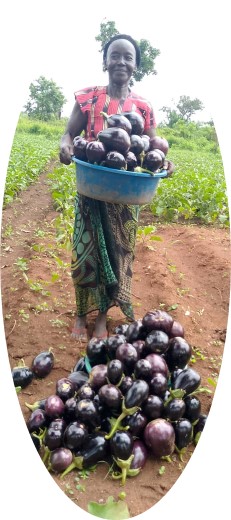
In 2023, the Dindongara Farmers Group embarked on a mission to improve their vegetable production, focusing on eggplants. With a one-fedan plot dedicated to this crop, their hard work and dedication have already paid off. The group has earned over 400,000 South Sudanese Pounds, with projections suggesting this could exceed 1 million South Sudanese Pounds by the end of the first harvest season in August.
Recounting the success of the project, Monica Ripai, a 39-year-old mother of four and the head of the cooperative, shared, “Our group adopted the GAP and postharvest practices taught by Star Trust Organization (STO), and the result has been significant, especially with the reduction in postharvest losses. We can now sell our vegetables in good quality and earn handsome returns in the market. Our customers trust our produce, and the income we make is greatly supporting our families, especially in paying for our children’s education.”
The success of the Dindongara Farmers Group is not an isolated story. Across Western Equatoria, the SAMS project enables farmers to overcome traditional agricultural challenges, secure better market prices, and enhance the overall quality of life. As these project continue to thrive, it remains a beacon of hope for many more communities striving for agricultural success and economic stability.


