
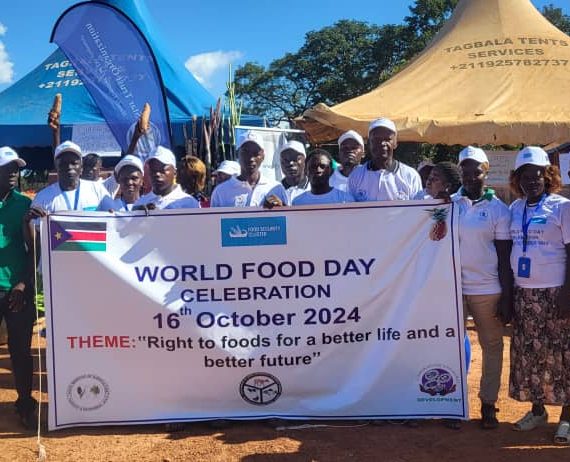
Star Trust Organization Joins World Food Day Celebration in Yambio
On October 16, the world unites to celebrate the World Food Day, a day dedicated to raising awareness about global hunger, promoting healthy diets, and advocating for sustainable agricultural practices. This year’s global theme, “Right to Food for a Better Life and a Better Future,” emphasizes the crucial role of food as a basic human right and the need to ensure everyone has access to sufficient, safe, and nutritious food.
Star Trust Organisation (STO) was proud to stand alongside national and international partners in Yambio (Western Equatoria State) to highlight the importance of addressing food security, especially at a time when over 8 million people in South Sudan face food shortages, with some regions battling catastrophic levels of food insecurity (IPC 5) (FEWS NET Report). The event radiated hope for local solutions that could meet the food needs of the South Sudanese people, especially in Western Equatoria State, known for its agricultural potential.
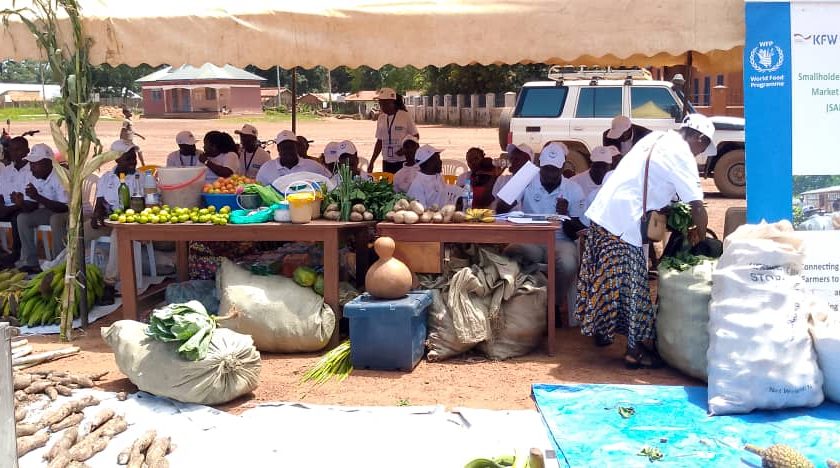
 Throughout the celebration, smallholder farmers and farmer organizations supported through the Smallholder Agriculture Market Support (SAMS) initiative showcased an impressive array of agricultural products, including cereals, pulses, tubers, and legumes. Other farmer groups backed by various partners highlighted livestock and fishery products, underscoring the broad scope of agricultural development in Western Equatoria State. These displays reinforced the possibility of a prosperous, self-sufficient South Sudan, where local farmers play a pivotal role in creating a resilient food system.
State and local leaders in attendance pledged continued support for local farmers and emphasized the importance of market access for locally produced grains and seeds, encouraging further regional and national cooperation. They also commended the efforts of partners like the World Food Programme (WFP) and the Food and Agriculture Organization (FAO) for their role in advancing food security in the state.
With such collaborative efforts, the vision of a hunger-free South Sudan looks increasingly achievable, where local food production meets local food demands.


